Introduction to Astrology: From the Zodiac to the Astrological Chart, Unveiling the Underlying Logic of the Starry Sky
Author FateAstro Expert Team
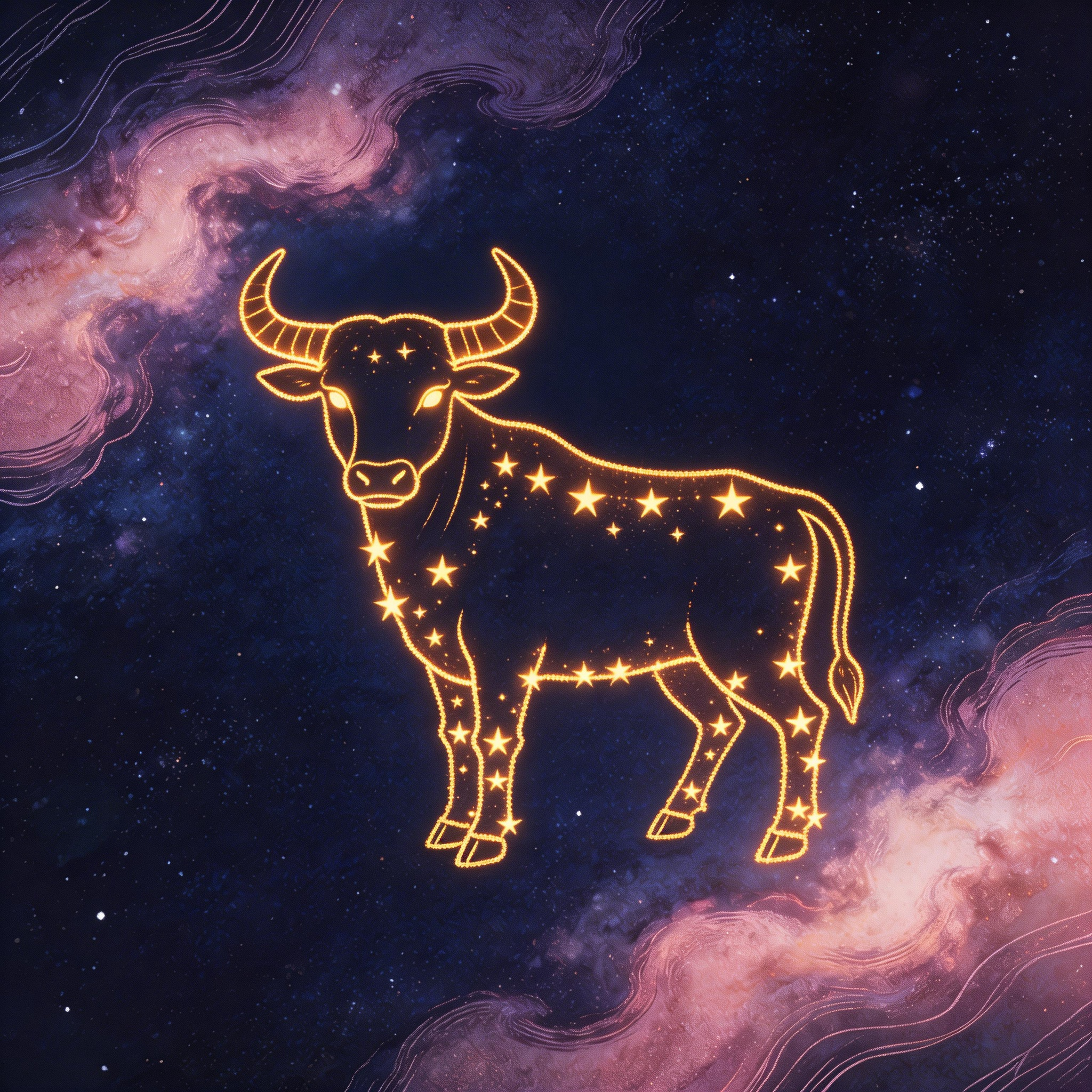
When we talk about constellations, we mostly refer to the twelve zodiac constellations in astrology, rather than actual star groups in astronomy—this is the starting point of many people's confusion. Around 3000 BC, the ancient Babylonians, for agricultural and seafaring purposes, divided the sun's path along the ecliptic into 12 equal segments, each 30°, corresponding to a group of stars and naming them, forming the prototype of the zodiac. It was introduced to ancient Greece in the 6th century BC, where it was imbued with mythological elements. Ptolemy, in his *Four Books of Astrology*, established the connection between constellations and personality, thus transforming astrology from an astronomical calendar system into a system for interpreting human nature. After the International Astronomical Union standardized constellation boundaries in 1928, the ecliptic actually has 13 constellations (including Ophiuchus), but astrology retains the 12 equal divisions due to cultural tradition; this is the core difference between astrology and astronomy.
The core of astrology is not "fatalism," but rather the correspondence between cosmic energy and human psychology . Its underlying logic consists of four elements, much like the "four pillars" of a birth chart.
The First Pillar: Planets – The Main Actors of Energy . In astrology, planets include the Sun, the Moon (not astronomically considered a planet, but central in astrology), Mercury, Venus, Mars, Jupiter, Saturn, Uranus, Neptune, and Pluto. The Sun represents the core self, vitality, and life goals; the Moon symbolizes emotional patterns, the subconscious, and security; Mercury governs thinking, communication, and learning; Venus governs love, aesthetics, and values; Mars represents action, desire, and courage; and the outer planets (Jupiter to Pluto) influence trends and personal growth. Each planet represents an independent energy level, corresponding to different psychological functions in humans.
The Second Pillar: Zodiac Signs – Styles of Energy (Filters) . The twelve zodiac signs are "expressions" of planetary energy, divided according to **four elements (fire, earth, air, water) and three modes (cardinal, fixed, mutable).** The four elements determine the nature of energy: Fire signs (Aries, Leo, Sagittarius) govern passion, action, and creation; Earth signs (Taurus, Virgo, Capricorn) govern practicality, stability, and materialism; Air signs (Gemini, Libra, Aquarius) govern rationality, communication, and social interaction; Water signs (Cancer, Scorpio, Pisces) govern emotions, intuition, and the subconscious. The three modes determine how energy operates: Cardinal signs (Aries, Cancer, Libra, Capricorn) govern creation and initiation; Fixed signs (Taurus, Leo, Scorpio, Aquarius) govern stability and continuity; Mutable signs (Gemini, Virgo, Sagittarius, Pisces) govern adaptation and adjustment. For example, a Leo Sun sign = Fire element + Fixed sign, whose energy is characterized by passion, confidence, and stubbornness, with a desire to be the center of attention.
The third pillar: Houses – The Realms (Stages) of Energy . The birth chart is divided into 12 houses, corresponding to different life scenarios: 1st House: Self-image; 2nd House: Wealth and Values; 3rd House: Communication and Learning; 4th House: Family and Roots; 5th House: Love and Creativity; 6th House: Health and Work; 7th House: Partners and Cooperation; 8th House: Shared Resources and Transformation; 9th House: Faith and Aspirations; 10th House: Career and Social Status; 11th House: Social Life and Ideals; 12th House: Subconscious and Hidden. The house a planet falls in determines the energy it releases in that corresponding area. For example, Mars in the 10th house indicates strong drive and ambition in one's career.
The fourth pillar: Aspects – The interaction (relationship) of energy . This refers to the angular relationships between planets, determining whether the energy is harmonious or conflicting. Major aspects: Conjunction (0°, energy fusion), Sextile (60°, harmonious support), Trine (120°, smooth complementarity), Square (90°, conflict and friction), Opposition (180°, opposing pull). For example, a trine between the Sun and Moon indicates harmony and unity between the self and emotions; a square between the Sun and Mars suggests potential contradictions such as impulsiveness and impatience.
Many people mistakenly believe that "zodiac sign = sun sign," but the sun sign is only a small part of the birth chart. It determines the core personality, but the moon, rising sign (ASC, the starting point of the first house in the birth chart, governing outward temperament), and planetary aspects constitute the complete personality map. Astrology is not superstition, but a system of psychological symbols summarized by humankind over thousands of years. It helps us understand ourselves and others through astrological symbols, and find the balance of life energy and the direction of growth.
Related Articles
Continue Learning
Next Article